

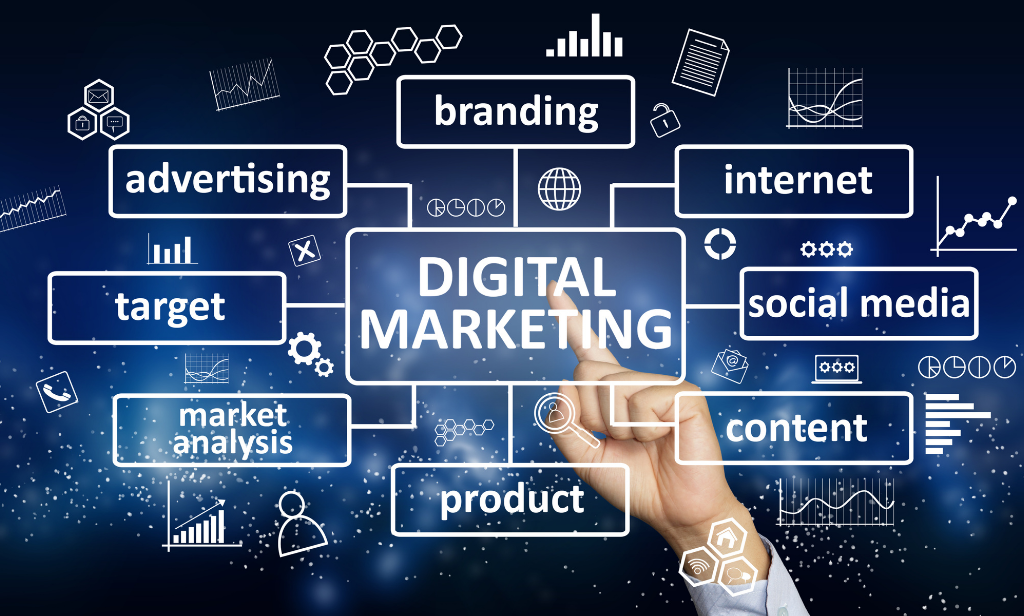
Digital marketing has always evolved alongside technology. From the rise of social media to the explosion of mobile advertising, every new innovation has reshaped how businesses reach and engage customers. In 2026, one force is transforming the entire industry faster than anything before it: Artificial Intelligence (AI).
AI is no longer a futuristic concept reserved for tech giants. It is now a practical tool used by businesses of every size to understand audiences, create better content, automate campaigns, and deliver personalised experiences at scale. Marketers who embrace AI are discovering smarter, faster, and more effective ways to grow online.
If you want your brand to stay competitive in today’s digital landscape, understanding how AI is changing digital marketing in 2026 is essential.
What Is AI in Digital Marketing?
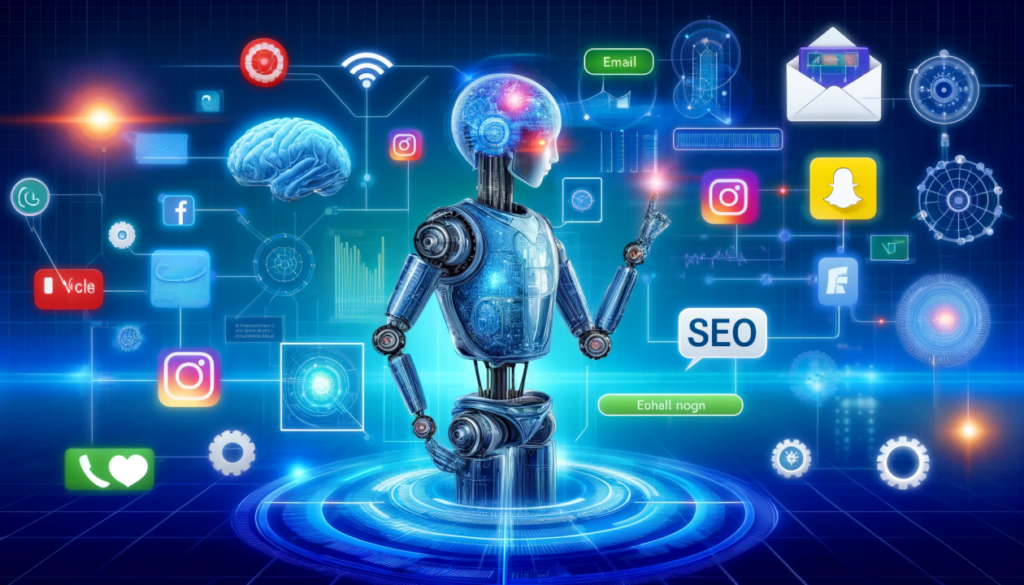
Artificial Intelligence in digital marketing refers to the use of machine learning, data analysis, and automation to improve marketing performance. AI tools analyse massive amounts of data to uncover patterns, predict behaviour, and optimise campaigns in ways that humans alone cannot.
Instead of relying on guesswork, marketers can now make data-driven decisions that increase engagement, improve conversions, and reduce wasted ad spend.
In simple terms, AI helps marketers work smarter while delivering more relevant experiences to customers.
1. AI-Powered Content Creation Is Transforming Marketing
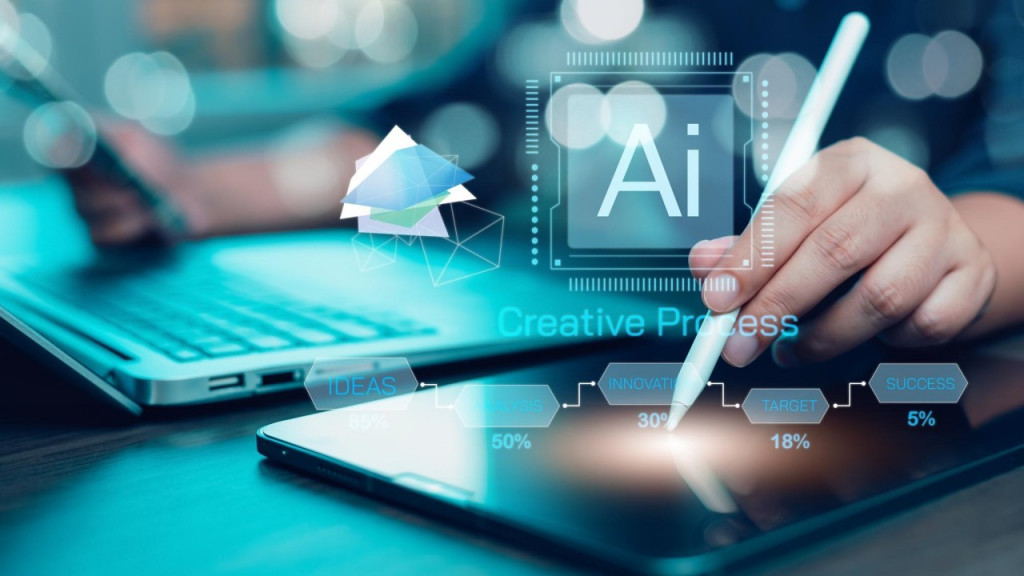
Content remains the backbone of digital marketing, but creating high-quality content consistently can be challenging. AI tools are helping marketers generate ideas, write blog posts, produce social media captions, and even create video scripts.
In 2026, AI-powered writing assistants are widely used to:
- Generate blog topics based on search trends
- Write SEO optimized articles
- Create email marketing campaigns
- Produce product descriptions for e-commerce
- Generate social media content quickly
Instead of replacing human creativity, AI acts as a powerful assistant that speeds up the content creation process. Marketers can focus more on strategy while AI handles repetitive writing tasks.
For websites, AI can help maintain a steady stream of valuable content that attracts organic traffic from search engines.
2. Hyper Personalisation Is Now the Standard
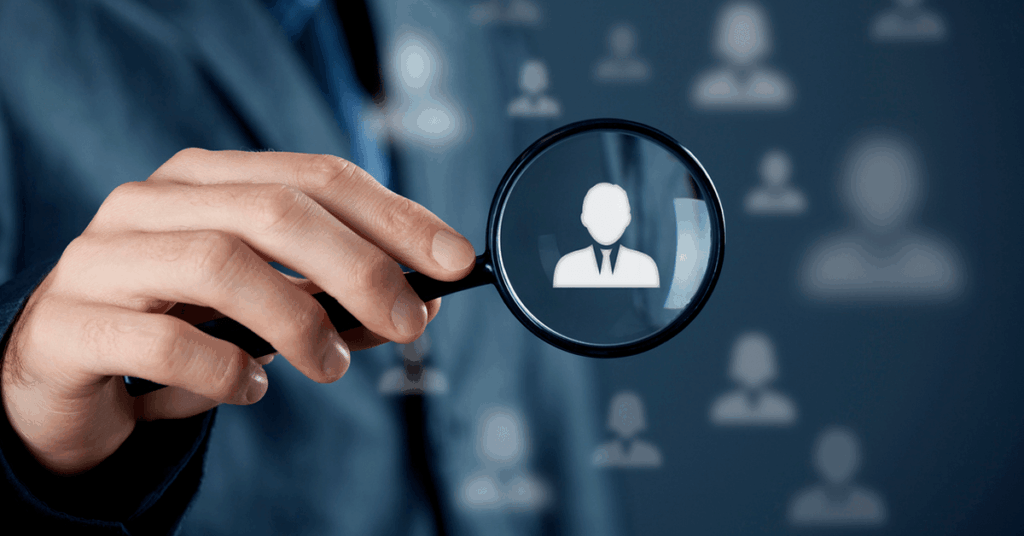
Consumers today expect personalised experiences. Generic marketing messages no longer capture attention.
AI allows businesses to analyse customer behaviour, browsing history, and purchase patterns to deliver highly personalised marketing.
In 2026, AI-driven personalisation includes:
- Personalised website experiences
- Dynamic email marketing campaigns
- Product recommendations tailored to each user
- Customised advertisements based on behaviour
For example, when a visitor lands on your website, AI can instantly analyse their interests and show content or products most relevant to them. This dramatically increases engagement and conversion rates.
Brands that personalise their marketing effectively build stronger relationships with their audience.
3. AI Is Revolutionising SEO Strategies
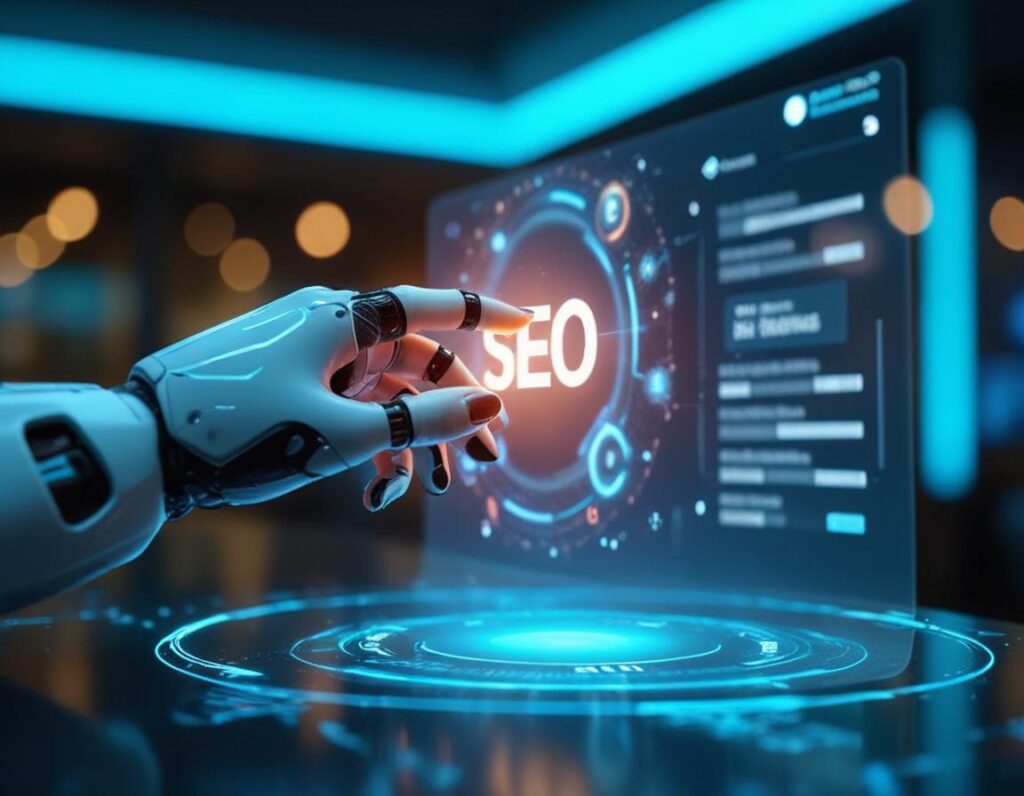
Search engine optimisation has always been a critical part of digital marketing. However, the way SEO works is changing rapidly due to AI-powered search algorithms.
Search engines now use advanced AI models to better understand user intent rather than just keywords.
This means successful SEO in 2026 focuses on:
- Creating high-quality, helpful content
- Answering real user questions
- Optimising for conversational search
- Structuring content clearly for AI understanding
AI tools also help marketers analyse keyword opportunities, identify ranking gaps, and optimise content faster.
For websites looking to grow organic traffic, AI-driven SEO insights are becoming an essential advantage.
4. Smarter Advertising Through AI Optimisation
Online advertising has become increasingly competitive. AI helps marketers maximise return on investment by automatically optimising campaigns.
AI-powered advertising platforms now handle tasks such as:
- Audience targeting
- Bid optimization
- Ad placement selection
- Performance prediction
Instead of manually testing dozens of ad variations, AI can instantly analyse results and shift budgets toward the highest-performing ads.
This leads to better performance with less manual effort.
Businesses that use AI-powered advertising tools often see higher click-through rates and lower acquisition costs.
5. Chatbots and AI Customer Support Are Everywhere
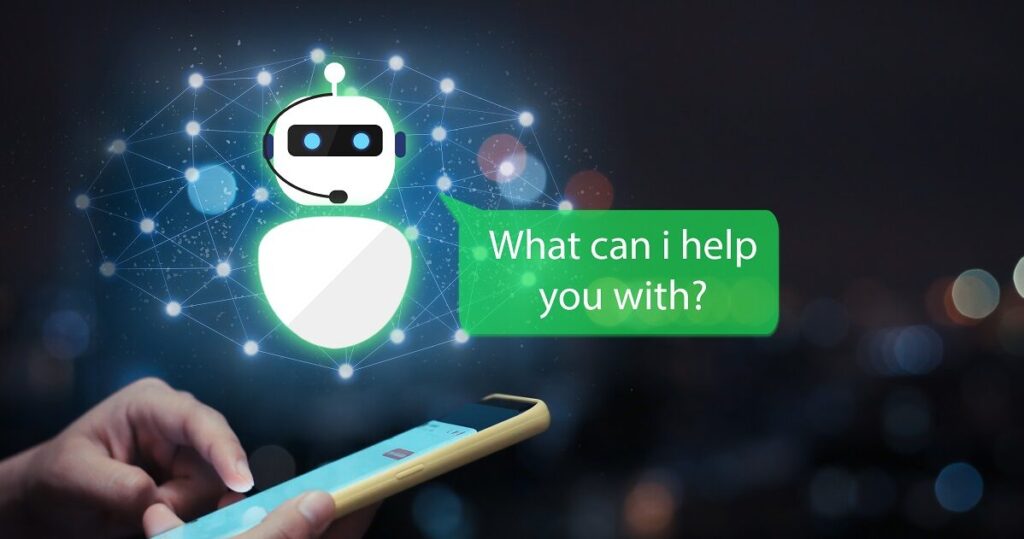
Customer service plays a major role in digital marketing success. Slow responses can lead to lost customers.
AI-powered chatbots have become smarter and more conversational in 2026. They can answer questions, guide users through purchases, and provide instant support around the clock.
Benefits of AI chatbots include:
- Instant customer responses
- Reduced support workload
- Increased lead generation
- Better customer satisfaction
Many websites now use AI chatbots to greet visitors, recommend products, and capture leads automatically.
6. Predictive Analytics Helps Marketers Make Better Decisions
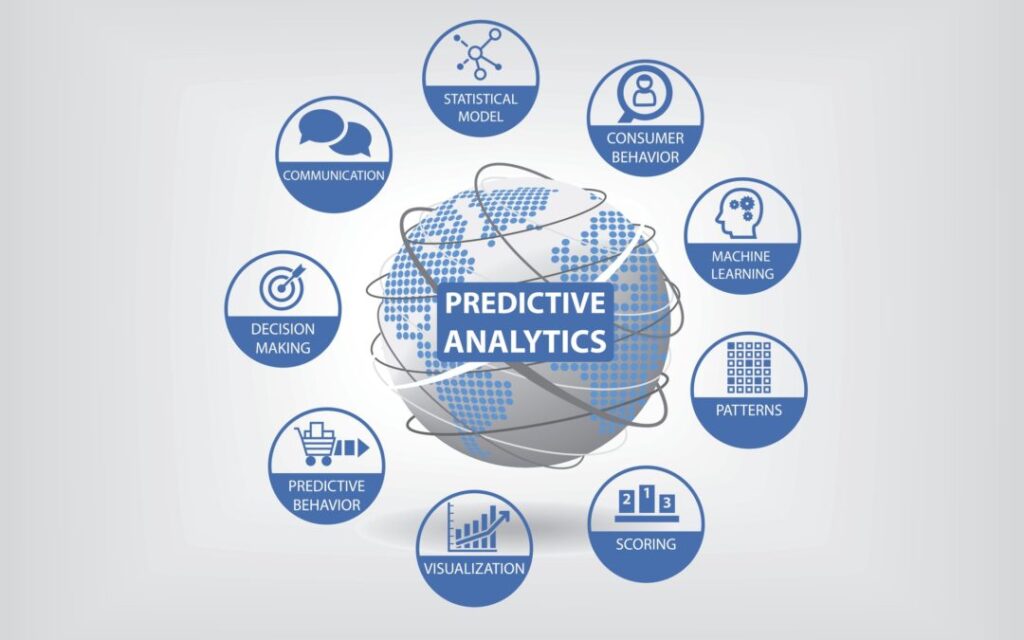
One of the most powerful benefits of AI is predictive analytics. AI systems analyse historical data to predict future behaviour.
This allows marketers to anticipate:
- Which customers are likely to buy
- Which leads may convert
- When users are likely to churn
- What content will perform best
Instead of reacting to results after campaigns run, marketers can make smarter decisions before launching campaigns.
Predictive analytics is helping businesses allocate marketing budgets more efficiently and achieve better results.
7. Voice and Visual Search Are Growing Fast

Another way AI is changing digital marketing is through voice search and visual search technology.
More users now search using voice assistants or by uploading images rather than typing keywords.
This shift requires marketers to optimise content differently by:
- Targeting conversational search queries
- Using natural language content
- Optimising images with descriptive metadata
- Structuring content for quick answers
Brands that adapt early to these search trends will gain a competitive advantage.
The Future of AI in Digital Marketing
The influence of AI in digital marketing will continue to expand beyond what we see today. Emerging technologies are already pushing the boundaries of automation and personalisation.
Future developments may include:
- Fully automated marketing campaigns
- AI-generated video advertising
- Real-time behavioural marketing
- Advanced customer journey prediction
However, while AI is powerful, the human element of marketing remains essential. Creativity, storytelling, and emotional connection cannot be replaced by machines.
The most successful marketers in 2026 combine AI-powered efficiency with authentic human insight.
The Bottom Line
Artificial Intelligence is redefining digital marketing in 2026. From content creation and SEO to advertising optimisation and predictive analytics, AI is helping businesses operate faster and smarter than ever before.
Companies that embrace AI are gaining a strong competitive advantage by delivering more personalised, data-driven, and efficient marketing strategies.
For businesses looking to grow online, now is the time to explore how AI can enhance your digital marketing efforts. AI tools can help you understand your audience better, create stronger marketing campaigns, and improve overall performance.
The future of marketing is not just digital. It is intelligent. Businesses that learn how to combine human creativity with AI-powered insights will be the ones that dominate the digital space in the years ahead.