


Going Viral Isn’t Luck Anymore
Every day, millions of short videos are uploaded to Instagram Reels, TikTok, and YouTube Shorts. Yet only a tiny fraction breaks through the noise and reaches thousands, or even millions, of people.
It’s easy to assume those viral videos are the result of luck or a massive following. The reality is different.
In 2026, social media platforms have become remarkably good at identifying content that keeps people watching, sharing, commenting, and coming back for more. That means even a brand-new account can outperform an established creator if its content resonates with viewers.
We’ve seen businesses with fewer than 500 followers generate more enquiries from a single Reel than competitors with tens of thousands of followers. The difference wasn’t budget. It wasn’t expensive equipment. It was strategy.
If you’re creating short videos and wondering why they aren’t gaining traction, this guide will show you what actually works in 2026 and how you can apply those lessons to your own content.

1. Stop Chasing Virality. Start Chasing Viewer Satisfaction.
One of the biggest mistakes creators make is trying to “hack” the algorithm.
The platforms don’t reward content because it uses a trending sound or a popular hashtag. They reward content that keeps viewers engaged.
Ask yourself:
“Would someone who has never heard of my business watch this until the end?”
If the answer is no, neither will the algorithm.
Instead of asking how to get more views, ask:
- Does this video solve a problem?
- Is it entertaining?
- Does it surprise people?
- Would someone send it to a friend?
Those questions matter far more than finding the latest trend.
Tip: Before publishing any video, imagine you’re scrolling through your own feed. Would you stop and watch it? If not, rethink the first few seconds.
2. The First Three Seconds Matter More Than Ever
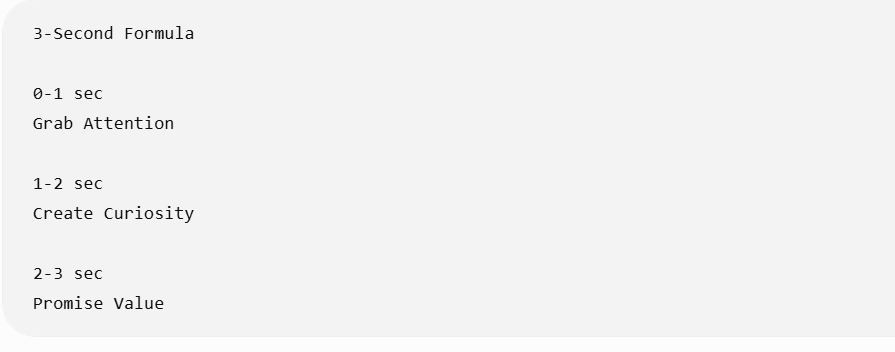
People decide almost instantly whether to continue watching.
A weak opening gives viewers a reason to scroll away, and every swipe tells the platform your content isn’t compelling.
Strong hooks often begin with:
- A surprising statement
- An unexpected result
- A bold opinion
- A question that creates curiosity
- A visual transformation
For example:
Instead of saying,
“Here are three marketing tips…”
Try:
“You’re probably losing customers because of this one Instagram mistake.”
The second version creates curiosity and gives viewers a reason to stay.
Remember, your opening should promise value. The rest of the video should deliver it.
3. Keep Viewers Watching Until the End

Watch time remains one of the strongest indicators that a video deserves wider distribution.
That doesn’t mean making every video longer.
It means removing everything that doesn’t move the story forward.
A simple framework is:
- Hook
- Value
- Proof
- Call to action
Every second should have a purpose.
Many successful creators even design their ending to encourage viewers to watch again. A seamless loop or an ending that connects naturally back to the beginning can increase repeat views, which sends another positive signal to the algorithm.
4. Create Content People Want to Share
Views are valuable.
Shares are even more valuable.
People share videos that make them:
- Laugh
- Learn something useful
- Feel inspired
- Look knowledgeable
- Relate to a common experience
For businesses, educational content consistently performs well.
Imagine you’re a real estate company.
Instead of posting:
“We have apartments available.”
Try:
“Three expensive mistakes first-time tenants make before signing a lease.”
The second video offers immediate value, making it far more likely to be shared, saved, and remembered.
A simple question to ask before posting is:
“Why would someone send this to another person?”
If you can’t answer that clearly, your content probably needs more value.
5. Trends Help, But Original Ideas Build Brands
Jumping on trends can increase visibility, but copying everyone else rarely builds authority.
The creators and brands that consistently grow are the ones with a recognizable style.
That could be:
- A unique storytelling approach
- Consistent colours and branding
- A recurring video format
- A memorable personality
- A niche area of expertise
Think about the creators you follow regularly. Chances are, you recognize their videos before you even see their name.
That’s the goal.
At MainPromo, we’ve found that businesses that combine trending formats with original insights tend to build stronger long-term engagement than those that rely solely on trends.
6. Post Consistently, But Prioritize Quality
One exceptional video can outperform thirty average ones.
Consistency is important because it gives you more opportunities to learn what resonates with your audience. However, consistency should never come at the expense of quality.
Before posting, ask:
- Is the hook strong?
- Does the video provide value?
- Is the editing clean?
- Are captions easy to read?
- Is there a clear takeaway?
If the answer to any of these questions is no, spend a little more time refining the video.
It’s better to publish three high-quality videos a week than seven forgettable ones.
7. Measure What Actually Matters
Many creators celebrate views while ignoring the metrics that predict long-term success.
Instead of focusing only on view count, monitor:
| Metric | Why It Matters |
| Average watch time | Indicates how engaging your content is |
| Completion rate | Shows whether viewers stay until the end |
| Shares | Strong signal of valuable content |
| Saves | Indicates evergreen usefulness |
| Comments | Measures conversation and engagement |
| Profile visits | Shows growing interest in your brand |
If a video gets fewer views but generates enquiries, website visits, or sales, it’s more successful than a viral clip that produces no business results.
The ultimate goal isn’t just to go viral. It’s to grow your brand.
The MainPromo Viral Video Checklist
Before you publish your next short video, ask yourself:
- Does the first three seconds grab attention?
- Is the message focused on one idea?
- Does the video provide real value?
- Would someone share or save it?
- Are captions easy to read?
- Does it end with a clear next step?
- Does it reflect your brand consistently?
- Have you reviewed the analytics from your previous videos?
If you can confidently answer “yes” to these questions, you’re giving your content a much better chance of succeeding.
Key Takeaways
- Going viral is driven by audience engagement, not luck.
- Strong hooks determine whether people keep watching.
- Watch time, shares, and saves matter more than follower count.
- Original content builds a stronger brand than copying trends.
- Consistency should never come at the expense of quality.
- Success should be measured by business impact, not just views.
Frequently Asked Questions
How many times should I post short videos each week?
Quality is more important than quantity. For most businesses, three to five high-quality videos each week is a sustainable starting point.
Which platform is easiest to go viral on in 2026?
There isn’t a single answer. Instagram Reels, TikTok, and YouTube Shorts all continue to recommend content based on viewer engagement rather than follower count. The best platform depends on where your target audience spends the most time.
Do hashtags still matter?
Yes, but they’re no longer the deciding factor. Clear messaging, audience relevance, and strong engagement signals have a much greater impact on reach.
Can small businesses go viral?
Absolutely. Many small businesses gain significant exposure because they solve specific problems, tell authentic stories, or create highly relatable content. Valuable content often outperforms large advertising budgets.